 Fine Dining
Japanese Fine Dining

When omakase is the right choice for a refined Japanese dinner in Bali — and how it compares to an à la carte meal.
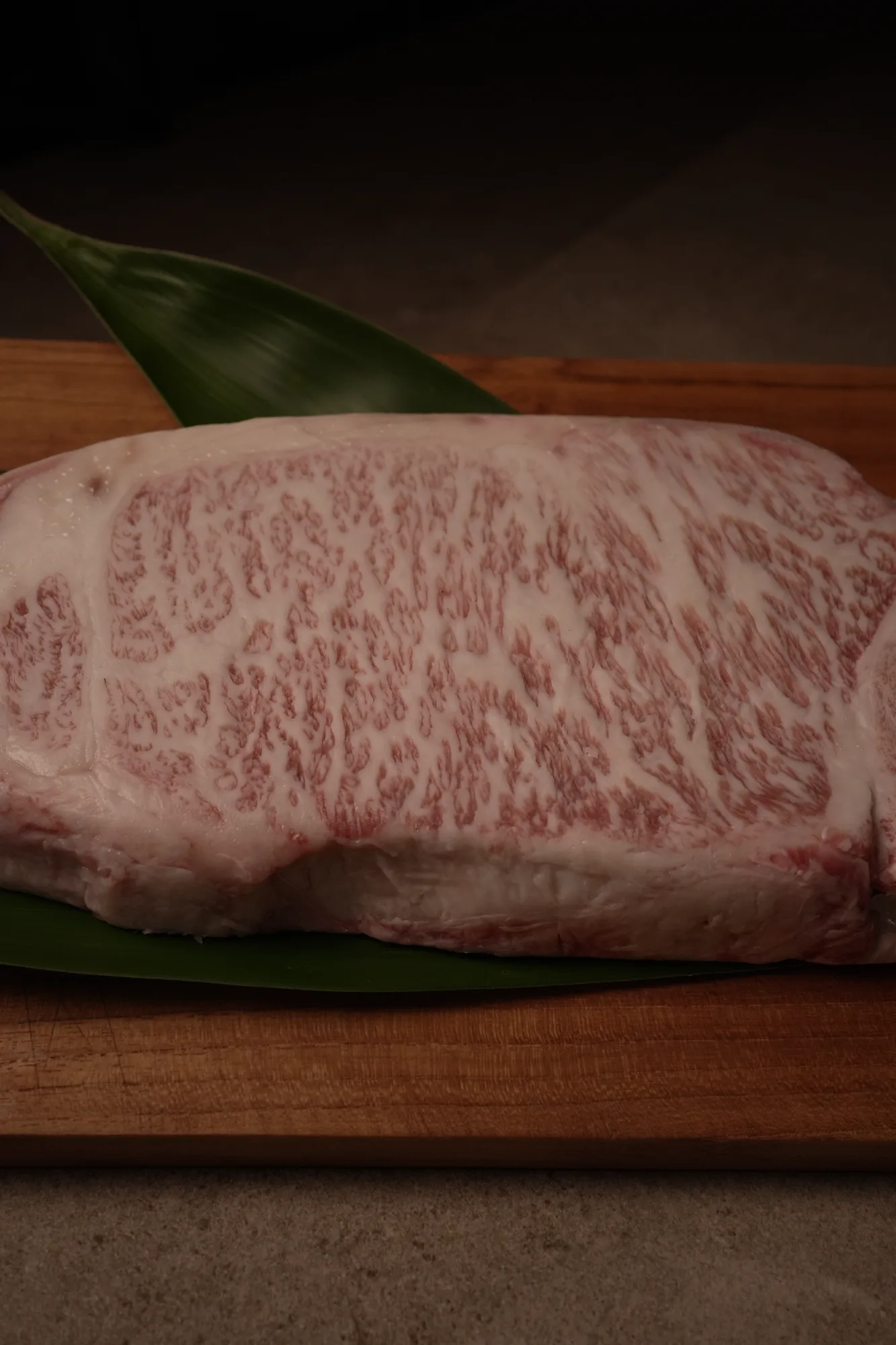
Japanese fine dining is built around detail: ingredient quality, knife work, rice, temperature, timing, and restraint.
In Bali, omakase is one of the most refined ways to experience this style of dining. Unlike a standard restaurant meal, omakase removes the pressure of choosing dishes — the chef creates the flow for you, which makes it ideal for guests who want a focused, intimate dinner. For first-time guests, start with what omakase means.
Omakase vs. À La Carte: Which to Choose
| Omakase | À la carte Japanese | |
|---|---|---|
| Who chooses | The chef designs the full sequence | You pick individual dishes |
| Best for | Special occasions and focused dinners | Casual, flexible meals |
| Pace | Slow, guided, around 1.5 to 2 hours | Flexible, order at your own speed |
| Seating | Limited counter seats | Open table seating |
| Menu | Seasonal and changing | Fixed menu you choose from |
When Omakase Is the Right Choice
Omakase is ideal when the occasion calls for focus and atmosphere. The limited seating, chef-led pacing, and direct preparation create a dinner that feels more personal than a standard restaurant booking — well suited to date nights, anniversaries, birthdays, and business dinners. To compare the full experience, read the best omakase in Bali.
Frequently Asked
What makes Japanese fine dining different?+
Is omakase considered fine dining?+
Is omakase good for a date night in Bali?+
When should I choose omakase over an à la carte Japanese restaurant?+
Where can I book Japanese fine dining in Bali?+
Join Us at the Counter
Eleven seats, two seatings nightly, open daily. Reserve your place at Shun Omakase Counter in Berawa, Canggu.