 A Sushi Lover's Guide
Best Sushi in Bali

What separates good sushi from great sushi — and how to choose the right sushi experience on the island.
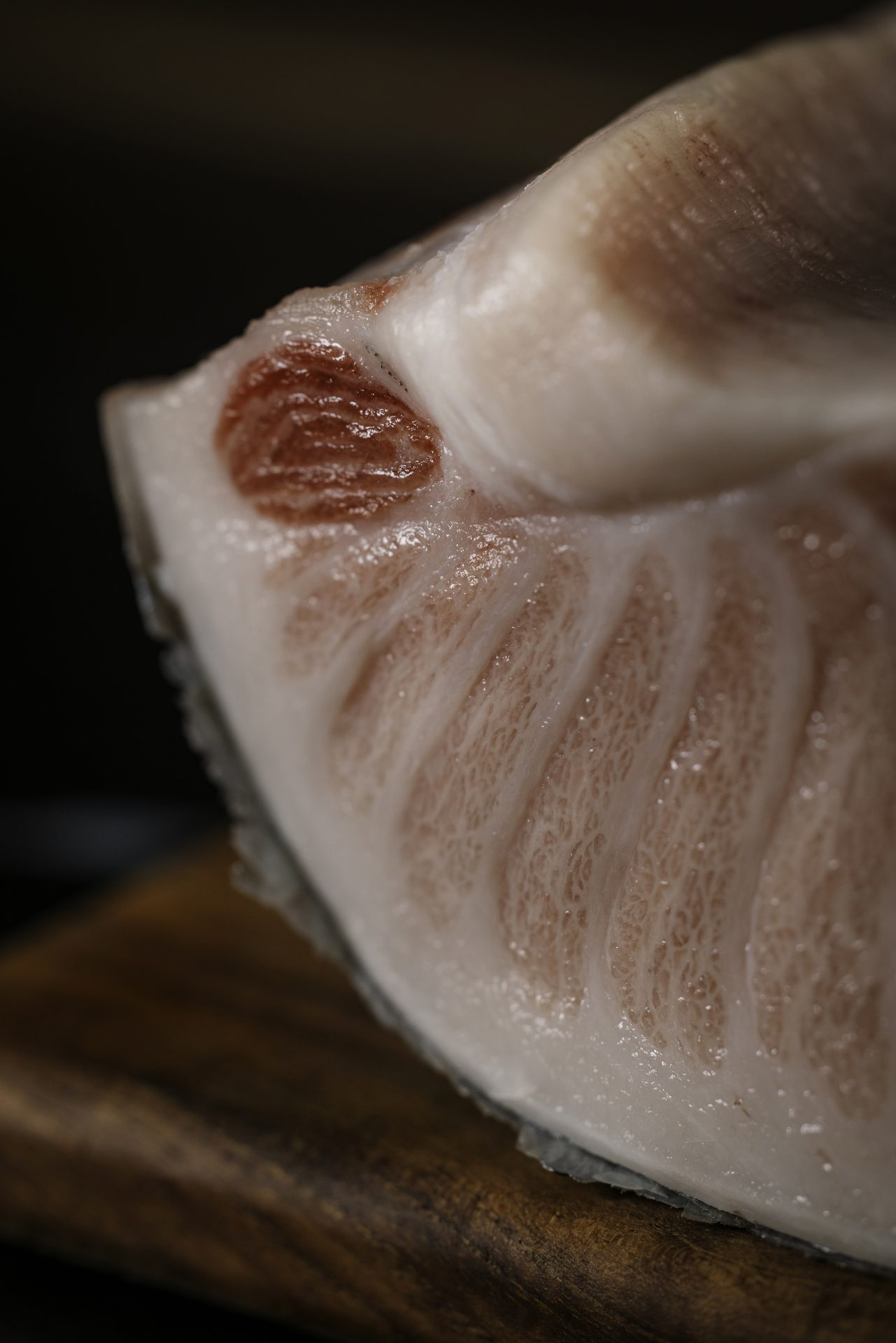
“Best” sushi is personal — but the things that make sushi great are not. Here is how to judge it.
Bali has a busy sushi scene, from beach-side roll bars in the south to hotel Japanese restaurants and a handful of intimate counters. If you are hunting for the best sushi in Bali, it helps to know what you are actually looking for — and which kind of experience suits your evening.
Five Signs of Great Sushi
- SourceAsk where the fish comes from. Shun flies premium seafood in from Tokyo's Toyosu Market several times a week.
- RiceSushi is mostly rice. It should be seasoned, slightly warm and loosely pressed — never cold or dense.
- BalanceFish and rice should be in proportion, so neither overwhelms the other.
- SeasoningIn Edomae sushi the chef seasons each piece with a brushed glaze or a touch of salt, so you rarely need soy sauce.
- TimingNigiri should be eaten straight away. The shorter the trip from the chef's hands to you, the better.
Sushi Styles You'll Meet in Bali
Nigiri is a slice of fish over a small mound of rice — the purest test of a sushi kitchen. Sashimi is fish served on its own, without rice. Maki are rolls, often with sauces and toppings, and are what most casual sushi spots specialise in. Aburi sushi is lightly torched for a smoky, melting finish. At a counter like Shun you'll mostly be served nigiri and sashimi, with Edomae technique and seasonal fish.
Omakase or À la Carte?
| À la carte sushi | Omakase sushi | |
|---|---|---|
| Who chooses | You order from a menu | The chef chooses for you |
| What you get | Your favourites | The day's best fish, in the chef's order |
| Pace | All at once or in rounds | One course at a time |
| Best for | Casual meals, picky eaters | Sushi lovers, celebrations |
If you have never tried omakase, our guide to what omakase is explains how it works.
Where to Find Sushi in Bali
Most of Bali's sushi is found in the south-west — Canggu, Seminyak, Uluwatu and Nusa Dua — with a few spots in Ubud. Canggu, and the Berawa area in particular, has become one of the island's busiest dining neighbourhoods, which is where you will find Shun. For the local picture, read sushi in Canggu.
Sushi at Shun Omakase Counter
Shun is an 11-seat Japanese counter inside The Komu Hotel in Berawa, Canggu. The chef serves a 14-course (Tsukiyo) or 18-course (Yugen) chef's-table journey of appetisers, sashimi, Edomae sushi, a signature uni dish, soup and dessert — with A5 Japanese wagyu on the Yugen. There are two seatings each night, at 6:30 PM and 8:30 PM, and Shun is rated 5.0 on Tripadvisor. See the menus and prices explained, or the full omakase experience.
Frequently Asked
What is the difference between sushi and sashimi?+
What should I look for in great sushi?+
Is omakase better than ordering sushi à la carte?+
Where is Shun Omakase Counter in Bali?+
How many courses is the sushi omakase at Shun?+
Join Us at the Counter
Eleven seats, two seatings nightly, open daily. Reserve your place at Shun Omakase Counter in Berawa, Canggu.